
Chevy Suburban Repair Guide: Common Problems

Joseph Scott
 Published on: Jan 8, 2025
 4 minutes
Related Blogs
 10 Things You Didn't Know About James Bond’s Aston Martin DB5
 Knight Rider vs. Back to the Future: A Battle of the 80s Icons
 Cadillac Escalade: Mastering the Maintenance
 Best Extended Warranty for Your Ford: Noble Quote or Ford Protect?
 Don’t Buy a Honda Warranty Before Reading This! Noble Quote vs. HondaCare
 Mercedes-Benz G-Class Review: On and Off-Road Performance, Features, and Price
 Tesla Cybertruck: Overpriced or Over-the-Top Awesome?
 Maximize Your Tesla Warranty: Smart Strategies for Extended Coverage
 2015 Ford Explorer: Avoid Costly Repairs with the Right Extended Warranty
 2008 Toyota Camry: Common Repairs and Why Extended Coverage is a Smart Investment
 2016 Jeep Wrangler Extended Warranty: Coverage & Options
 2015 Nissan Altima Warranty Expired? Get Extended Coverage Today!
 Ford Power Steering Repair: Problems & Solutions
 That Annoying Hemi Tick: Why It Happens & How to Stop It
 Ford F-150: This Ain't Your Grandpa's Pickup!
 Nissan Frontier: Conquer Any Terrain in Style and Comfort
 7 Reasons Why the Chevrolet Chevelle Was More Than Just a Pretty Face
 Ford Bronco: A Legend Reborn – Explore its Wild History & Modern Muscle
 Ford Mustang: A Guide to Popular Models & Years (1964-Present)
 Is the Ford Explorer Reliable? What Owners Need to Know
 2024 BMW 3 Series Review: Is it Still the Ultimate Driving Machine?
 Dodge Extended Warranty: Is It Worth the Cost? A Comprehensive Guide
 Stranded on the Sidelines: Your Essential Guide to Roadside Breakdowns & Staying Safe
 Toyota Tacoma: The Definitive Buyer’s Guide & In-Depth Review
 Subaru Outback Review: Everything You Need to Know About This Versatile SUV
 Everything You Need to Know About Chevy Extended Warranties
 Comprehensive Review of the Honda Pilot: Your Ultimate Guide
 Why You Should Consider an Extended Warranty for Your Genesis
 Toyota FJ Cruiser: A Comprehensive Review
 The True Cost of Maintaining a Toyota: Is It Really as Affordable as You Think?
 Understanding Kia's Factory Coverage and the Value of an Extended Warranty
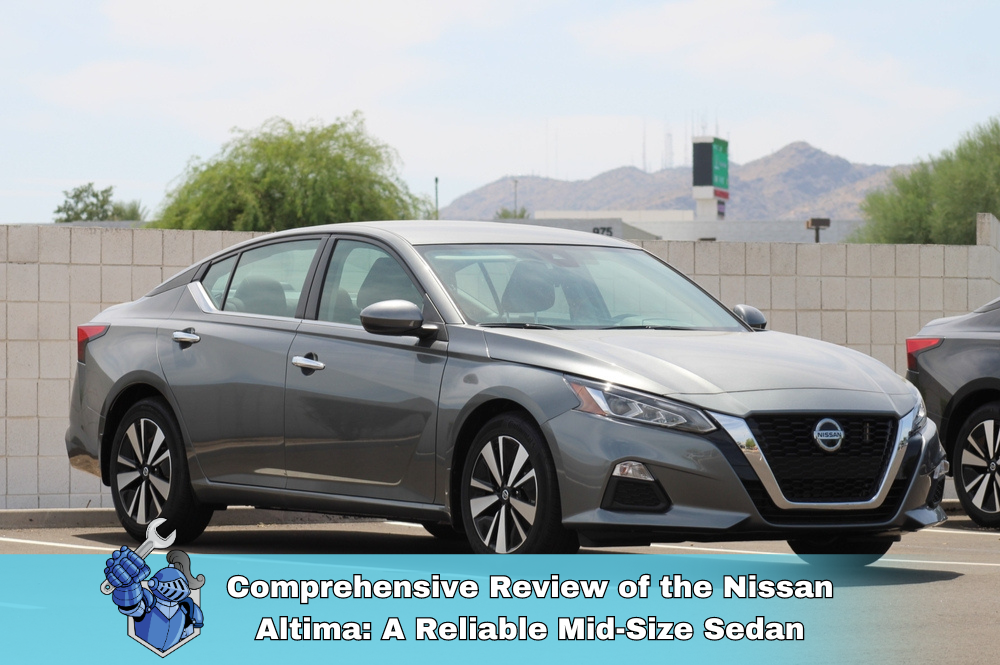 Comprehensive Review of the Nissan Altima: A Reliable Mid-Size Sedan
 Understanding Extended Warranties for Hyundai Vehicles
 Unveiling the Toyota Land Cruiser: A Comprehensive Review
 The Best Extended Warranty for Audi Everything You Need to Know
 Extended Warranties for Honda: Comprehensive Guide to Factory and Extended Coverage
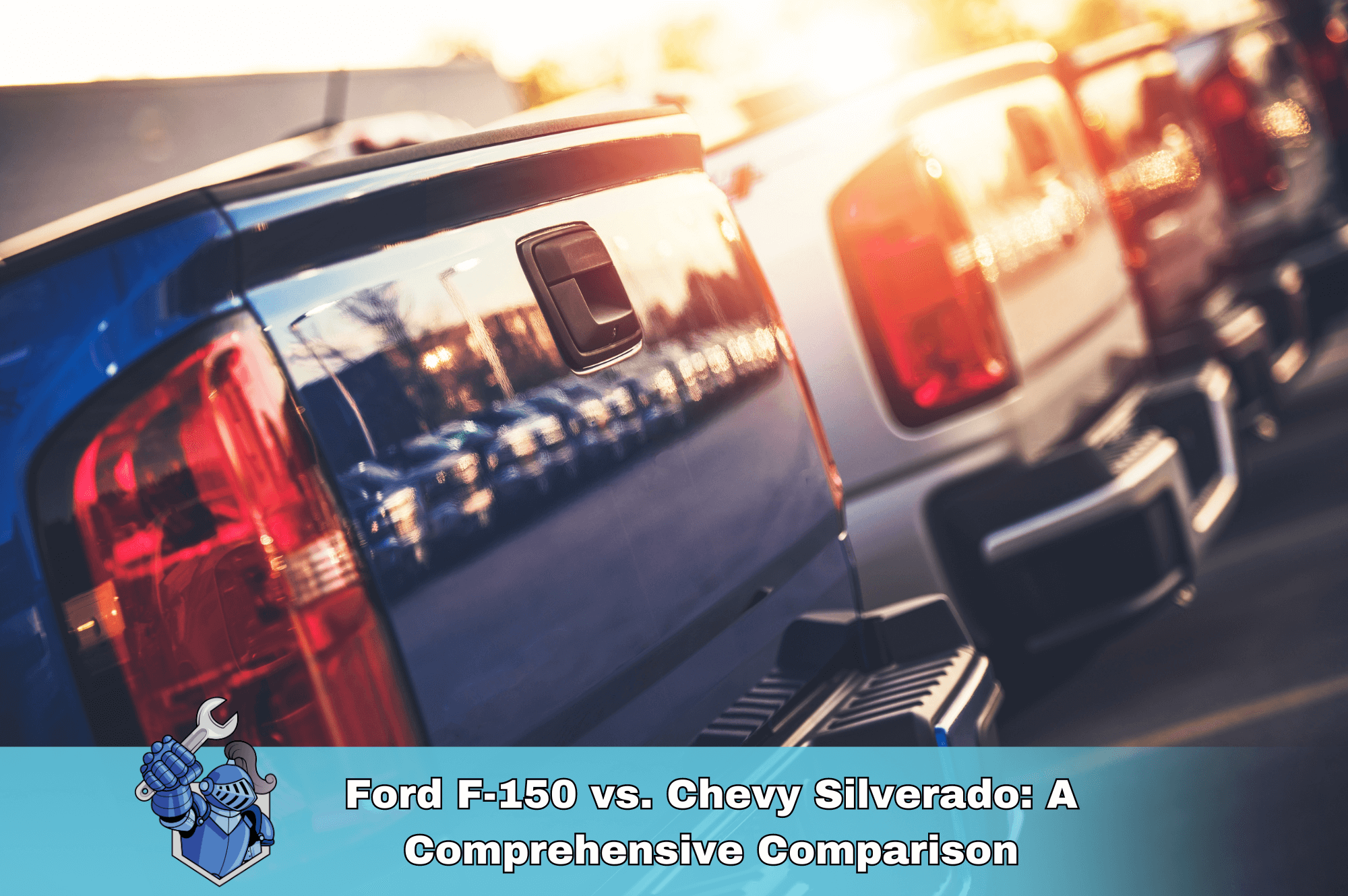 Ford F-150 vs. Chevy Silverado: A Comprehensive Comparison
 The Ultimate Guide to Extended Warranties for Toyota Vehicles
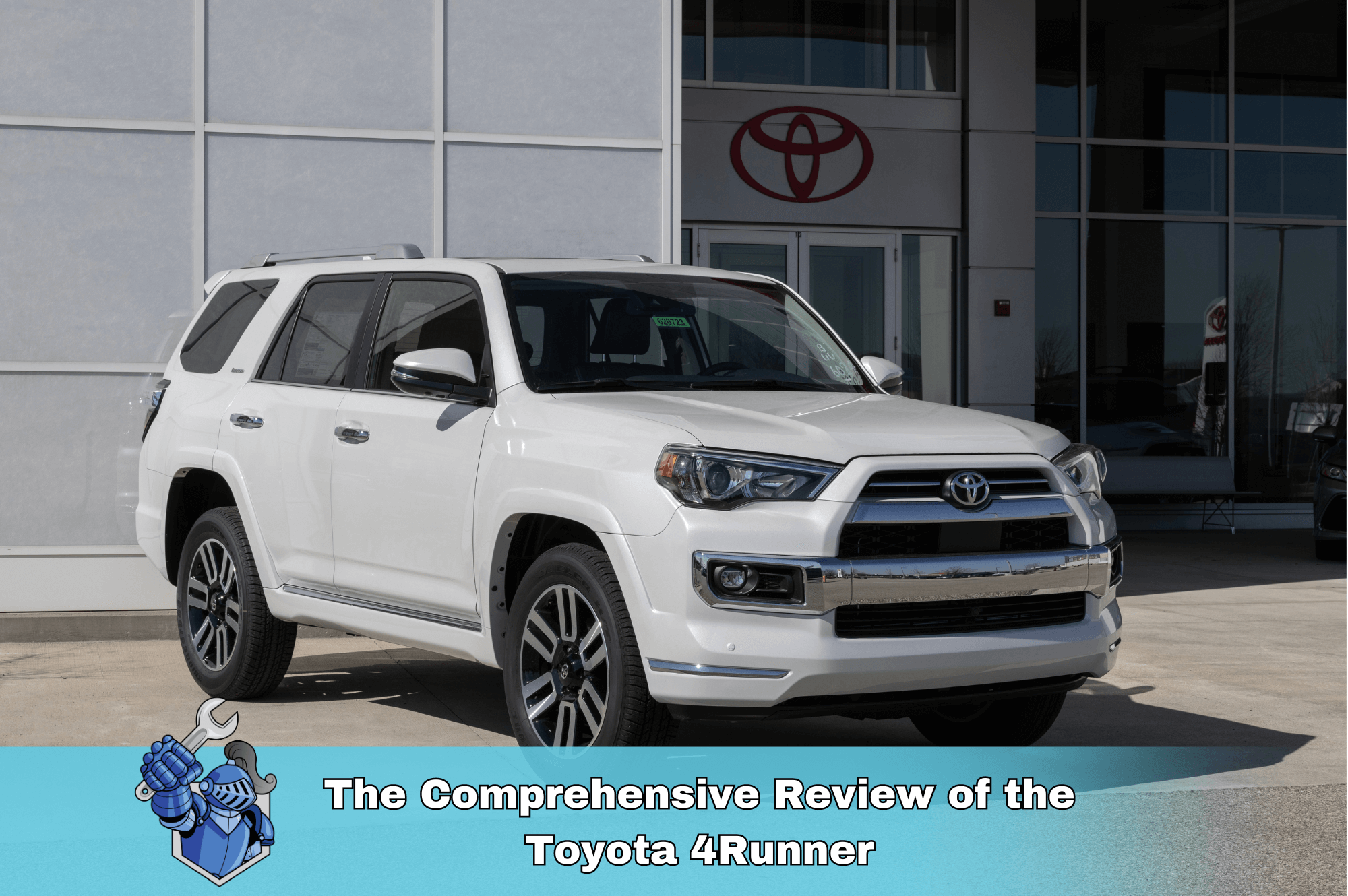 The Comprehensive Review of the Toyota 4Runner
 Understanding Extended Warranties for Ford Vehicles A Comprehensive Guide
 Dodge Ram 1500 vs. Toyota Tundra: A Detailed Comparison
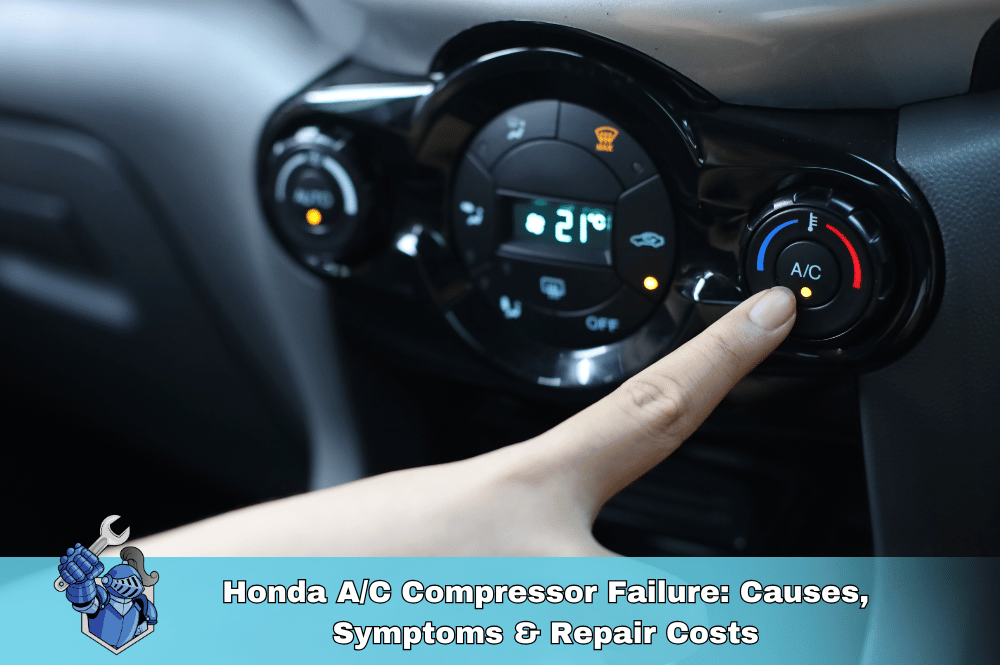 Honda A/C Compressor Failure: Causes, Symptoms & Repair Costs


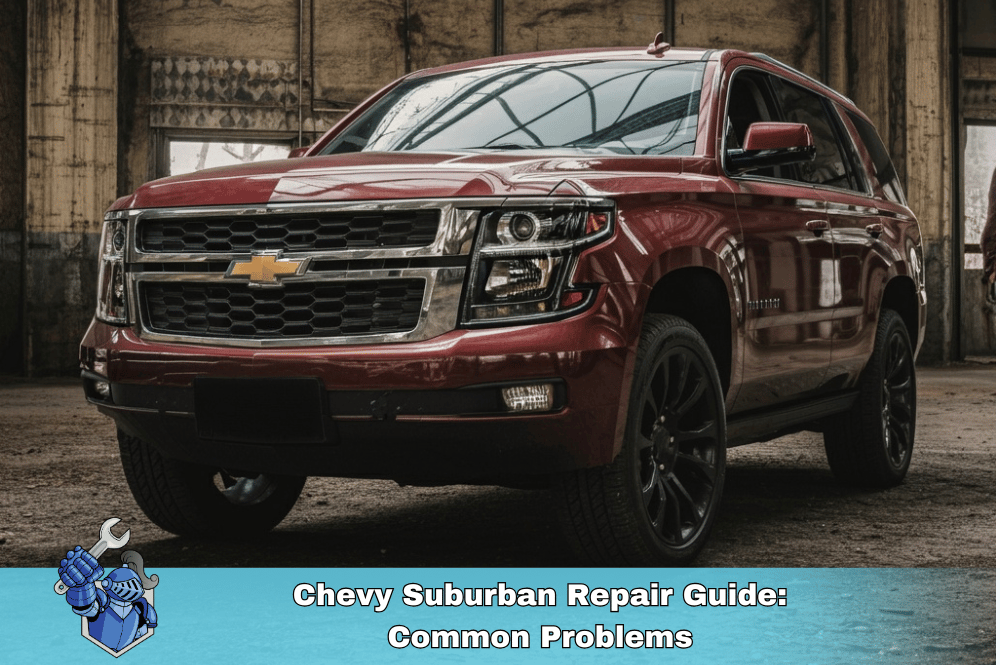
The Chevy Suburban has been a cornerstone of American SUVs for decades, offering space, power, and versatility. However, like any vehicle, it’s not immune to wear and tear or specific mechanical issues. Whether you own a newer model or a trusted older Suburban, knowing what common problems to expect can save you time, money, and frustration. This guide delves into Chevy Suburban repair insights, highlighting common issues, costs, and solutions to keep your Suburban in prime condition.
Common Chevy Suburban Problems
1. Chevy Suburban Transmission Problems
Transmission issues are a frequent concern, particularly with models from 2015 onward. Common symptoms include:
- Delayed or rough shifting.
- Transmission slipping during acceleration.
- Failure to engage in gear.
Solution: A transmission fluid flush might resolve minor issues, but in severe cases, a rebuild or replacement may be necessary. The cost for transmission repair ranges from $1,800 to $3,500 depending on the severity of the damage. Regular maintenance, such as fluid checks and changes, can prevent most problems.
2. Chevy Suburban Engine Problems
Engine troubles often top the list of Chevy Suburban common issues. Some owners report:
- A persistent check engine light.
- Rough idling or stalling.
- Excessive oil consumption in certain model years, especially in the 2007–2014 range.
Solution: Diagnosing engine problems with a professional mechanic is critical. Repairs can vary widely, from replacing spark plugs ($100–$200) to more extensive engine repairs costing several thousand dollars.
3. Chevy Suburban Brake Problems
Brake issues can compromise safety, so they demand immediate attention. Problems include:
- Squealing or grinding noises.
- A soft or spongy brake pedal.
- ABS warning lights appearing on the dashboard.
Solution: Worn brake pads and rotors should be replaced promptly. For Suburbans, brake repair typically costs between $300 and $800. Issues with the ABS system might push costs higher.
4. Chevy Suburban Electrical Problems
Electrical systems are complex, and the Suburban is no exception. Owners frequently experience:
- Malfunctioning dashboard lights or infotainment systems.
- Faulty power windows or locks.
- Battery drainage due to parasitic draw.
Solution: Minor fixes, such as replacing a blown fuse, can cost less than $50, while diagnosing and repairing electrical issues like a short circuit might cost $150–$400.
5. Chevy Suburban AC Problems
Air conditioning problems often emerge during the hotter months. Common complaints include:
- The AC blowing warm air.
- Weak airflow from vents.
- Unpleasant odors.
Solution: Recharging the AC refrigerant costs around $150–$300. More significant repairs, like replacing the compressor, may range from $500 to $1,200.
6. Chevy Suburban Suspension Problems
The Suburban’s suspension, especially in models equipped with Magnetic Ride Control, can experience:
- Uneven tire wear.
- A rough ride over bumps.
- Sagging in the rear.
Solution: Suspension repairs may involve replacing shock absorbers or control arms, costing $500 to $2,000. Regular inspections can prevent larger issues.
7. Suburban 4WD Problems
Suburbans equipped with four-wheel drive (4WD) may encounter issues with the transfer case or drivetrain. Symptoms include:
- Difficulty shifting into 4WD mode.
- Grinding noises during operation.
- Dashboard 4WD warning lights.
Solution: Routine maintenance of the transfer case fluid can minimize problems. Repairs may cost $500 to $1,500 depending on the issue.
DIY Suburban Repair Tips
Many Suburban owners prefer tackling smaller repairs themselves. Here are some common DIY fixes:
- Check Engine Light Diagnosis: Use an OBD-II scanner to identify issues quickly.
- Replacing Brake Pads: With basic tools, this repair can save $100–$200.
- Fixing Coolant Leaks: Inspect hoses and connections, replacing worn components as needed.
For more complex repairs, professional assistance is recommended.
Chevy Suburban Model-Specific Problems
Certain years of the Suburban are prone to unique issues:
- 2015 Chevy Suburban Problems: Known for transmission and electrical quirks.
- 2017 Chevy Suburban Problems: Reports of oil consumption and suspension concerns.
- 2020 Chevy Suburban Problems: Improved reliability but occasional brake system complaints.
Always research your specific model year for tailored advice.
Suburban Repair Costs
Understanding potential costs helps plan for repairs:
- Transmission Replacement: $2,000–$4,000.
- Engine Repairs: $1,000–$5,000 depending on severity.
- Brake Replacement: $300–$800 per axle.
- AC System Repairs: $150–$1,200.
- Suspension Overhaul: $1,000–$3,000.
Investing in an extended warranty can mitigate these expenses. Noble Quote offers coverage options to ensure peace of mind for Suburban owners.
Preventative Maintenance for Chevy Suburbans
Routine maintenance can significantly reduce repair needs:
- Oil Changes: Every 5,000–7,500 miles.
- Transmission Fluid Checks: Every 30,000–60,000 miles.
- Brake Inspections: Annually or as needed.
- Tire Rotations: Every 5,000 miles to ensure even wear.
- Coolant System Flush: Every 50,000 miles.
Staying on top of these tasks will keep your Suburban running smoothly for years to come.
By understanding and addressing Chevy Suburban problems, you can keep your SUV reliable for years. Whether it’s routine maintenance or unexpected repairs, being proactive will ensure your Suburban remains a dependable powerhouse on the road. If repair costs are a concern, explore Noble Quote’s extended warranty plans for comprehensive coverage tailored to your needs.
FAQ: Everything You Need to Know About Chevy Suburban Repairs
What Chevy Suburban model years have the most problems?
Models from 2007–2014 are known for excessive oil consumption and engine issues. The 2015 Suburban has reports of transmission and electrical problems. Research your specific model year for detailed insights.
What are the most common Chevy Suburban problems?
The most common Chevy Suburban issues include transmission problems (e.g., slipping or rough shifting), excessive engine oil consumption, brake system concerns (e.g., squeaking or soft pedals), and electrical malfunctions such as faulty dashboard lights or battery drainage.
How do I know if my Chevy Suburban transmission is failing?
Signs of a failing transmission include delayed gear shifts, slipping while accelerating, grinding noises, or the vehicle not engaging in gear. A check engine light may also illuminate. Regular maintenance and fluid checks can help prevent transmission issues.
Why does my Chevy Suburban’s check engine light keep coming on?
A persistent check engine light could be caused by a loose gas cap, a failing oxygen sensor, misfiring spark plugs, or more serious engine-related problems. Use an OBD-II scanner to diagnose the issue or take it to a mechanic.
How much does it cost to repair a Chevy Suburban?
Repair costs depend on the issue:
- Transmission repair: $1,800–$4,000.
- Engine repairs: $1,000–$5,000.
- Brake replacement: $300–$800 per axle.
- AC repairs: $150–$1,200. Investing in an extended warranty can help reduce these costs.
How can I fix Chevy Suburban brake problems?
Brake issues, such as squealing or grinding, can be resolved by replacing worn brake pads or rotors. If the ABS light is on, a more detailed diagnostic may be needed. Repairs typically cost $300–$800 depending on the damage.
Are Chevy Suburbans prone to electrical problems?
Yes, electrical issues like malfunctioning power windows, faulty infotainment systems, and dashboard warning lights are reported by many Suburban owners. Regular inspections and replacing fuses or relays can often resolve these problems.
How can I prevent common Chevy Suburban problems?
Preventative maintenance is key:
- Change the oil every 5,000–7,500 miles.
- Check and replace transmission fluid every 30,000–60,000 miles.
- Inspect brakes annually.
- Rotate tires every 5,000 miles.
- Flush the coolant system every 50,000 miles.
Should I buy an extended warranty for my Chevy Suburban?
Given the high costs of major repairs like transmission replacements or engine overhauls, an extended warranty is a smart investment. Noble Quote offers plans that cover these common issues, ensuring peace of mind.
Where can I learn more about Chevy Suburban repairs?
For more information, repair tips, and extended warranty options, visit the Noble Quote Learning Center. This resource is designed to help Suburban owners stay informed and proactive about vehicle care.
Suggestions for you
Read More
Authored by: Deric Kalamitsiotis • 5 minutes
Published on: Aug 7, 2025
Steering Wheel Shake or Wobble Causes Symptoms and Fixes

Authored by: Joseph Scott • 6 minutes
Published on: Aug 5, 2025
Brad Pitt F1 Movie: Everything You Need to Know About the Release Date, Cast, and APXGP Car

Authored by: Deric Kalamitsiotis • 5 minutes
Published on: Jul 25, 2025
Subaru Forester: The Unsung Hero of Adventure, Value, and the Long Haul (Owner Insights & VSC Value)
Let’s work together
Every week we showcase three charitable organizations that our donations are sent to. Our clients are able to choose which of these three will receive their gift when they add coverage to their vehicle...